Natural medicine for cystitis Cystolax Effective removal of cystitis.Therapists and urinary houses in Switzerland regularly prescribe their patients.
 Each package of the drug has a guide with a description of its pharmacological properties and describes how to use the drug.The beginning of the treatment effect depends on the exact technique.
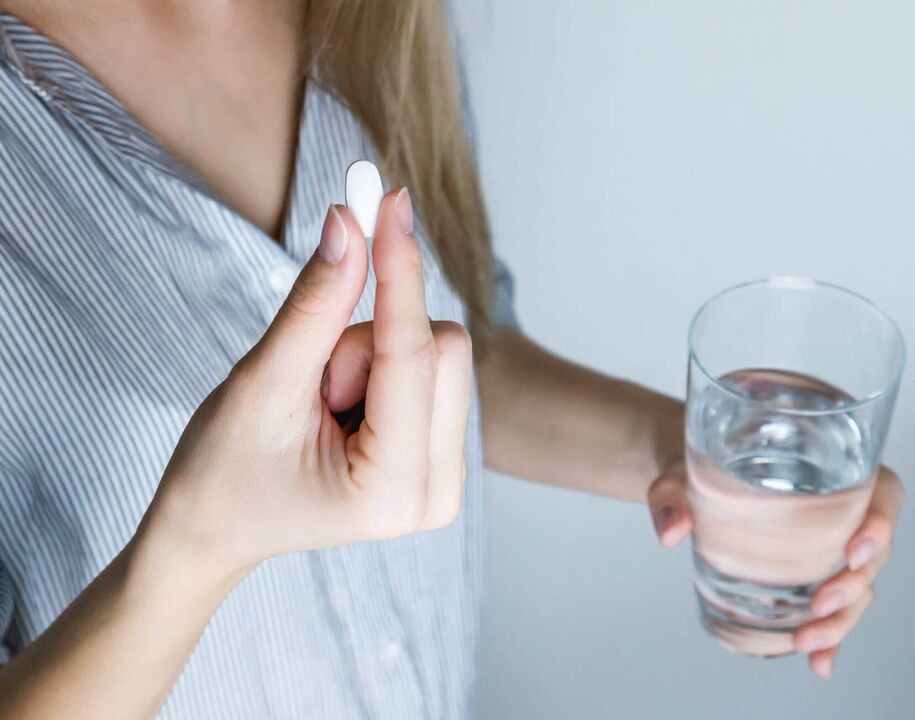
You should take 2 capsules a day.You need to take them half an hour before meals, rinse with a glass of static water.The treatment process is at least 10 days, without rest.The doctor may expand the use of drugs with appropriate indications.
Experts have praised the capsules and introduced them to adult men and women of all ages that have faced cystitis and tend to diseases the genital system.
Thanks to its natural ingredients Cystolax It is well tolerated by the patient.Contraindicated use of capsules:
The composition of medicine is unique and no similar substance in the world. Cystolax Contains 50 times D-mannose natural antibiotics compared to blueberries.Thanks to this, the drug has cystitis fighting with pathological microorganisms, without helping and not harmful to the body.With blood flow, D-mannose enters the kidneys and from there into the urine.
The urine contains D-mannose into the bladder.Its tissues are covered with glucose, so the bacteria of the Escherichia sticks cannot stick to the tissues and are excreted urine.
Cystolax Contains natural ingredients.It can be used as an independent tool, or combined with other drugs.No chemical synthesis, hormones, dyes and preservatives in capsules.Doctors prescribe capsules for:


